TIMING
Around 6 months
Breast milk or first infant formula provides the energy and nutrients a baby needs until around 6 months. Waiting gives them time to cope fully with solid food.
Check the signs
 doodlesolids
WEANING, IN PLAIN ENGLISH
AROUND 6 MONTHS when the signs line up
Around 6 months, not before.
NHS guidance is to start solid foods when your baby is around 6 months old, alongside breast milk or first infant formula. By then most babies can sit, grab and swallow, and many can go straight to mashed and finger foods.
Updated
Check the signsTHE SHORT ANSWER
Around 6 months is the guide.
Three signs together say your baby is ready.
TIMING
Breast milk or first infant formula provides the energy and nutrients a baby needs until around 6 months. Waiting gives them time to cope fully with solid food.
Check the signsFIRST FOODS
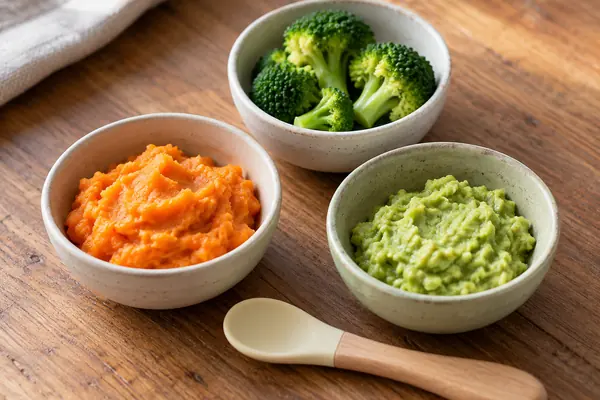
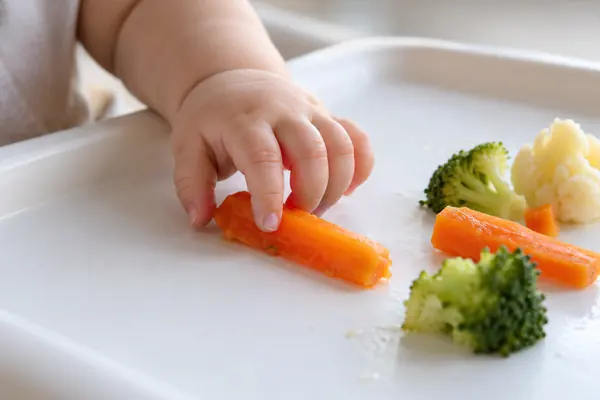
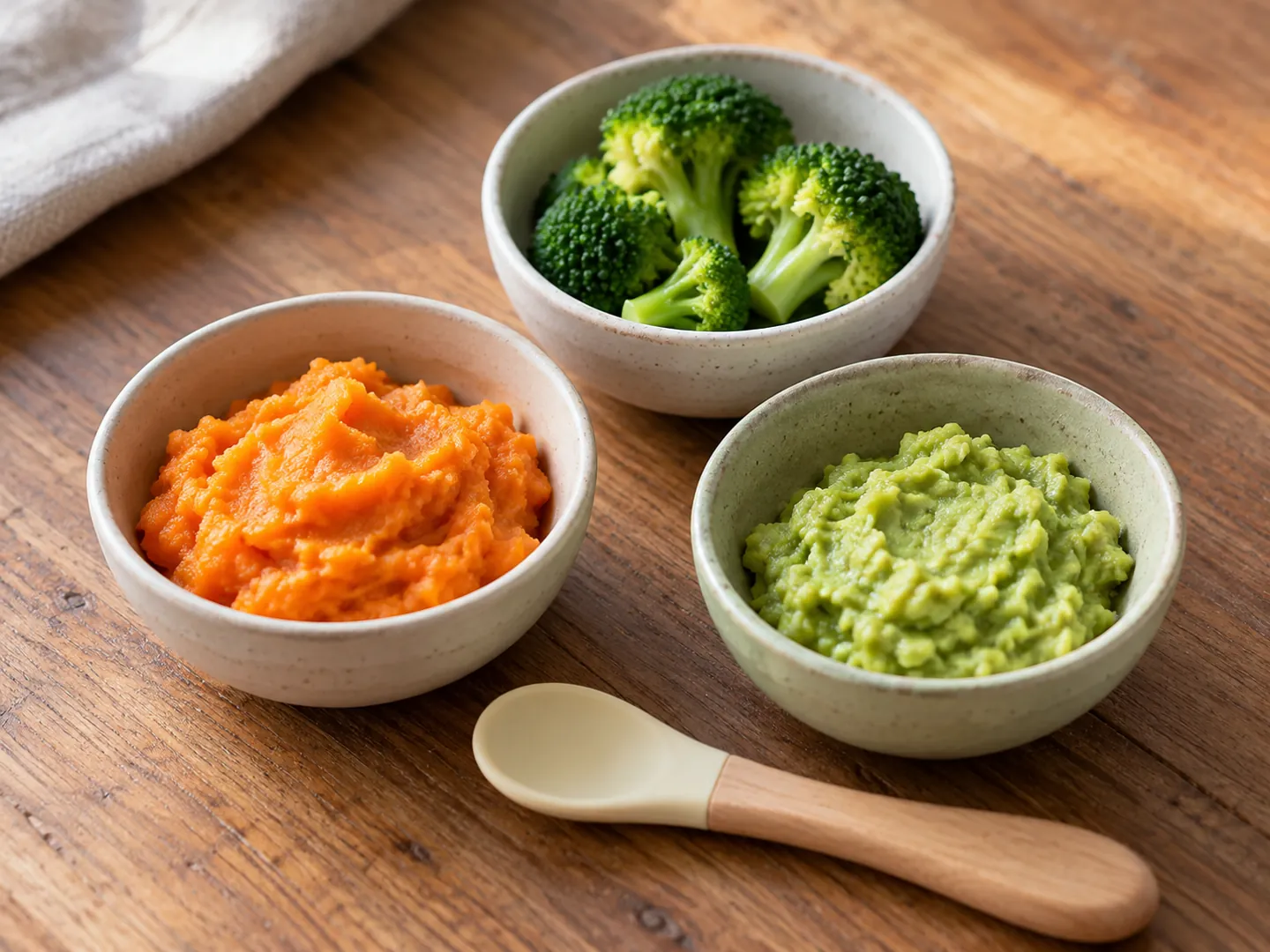
At around 6 months many babies can move food around their mouth and chew, so they may not need smooth, blended foods at all. Move on from purées as soon as possible.
How to startSAFETY
Gagging is a loud, normal reflex while babies learn to chew. Choking is quiet and dangerous. Knowing the difference is part of starting solids.
Tell them apartGeneral information only, not professional safety advice. If someone is in immediate danger, call the emergency services.
A QUICK READINESS CHECK
Pick something your baby is doing to see what NHS guidance says about it. The bar shows how strongly it signals readiness for solid food.
Based on NHS Best Start in Life: How to start weaning your baby. If your baby was born prematurely, ask your health visitor or GP. Not medical advice.
TWO NUMBERS WORTH KNOWING
One figure on when parents start,
one on the earliest point the advice allows.
46%
Waited until 6 months or later
In the Scottish Maternal and Infant Nutrition Survey 2017, 46% of mothers waited until six months or later, and only 3% introduced solid foods before four months. In 2010, 32% in Scotland had started by four months.
SCOTLAND SURVEY · 2017
17 weeks
The earliest solid foods should ever start
Some babies start before six months for various reasons, but the advice is that this should never happen before four months old, or 17 weeks.
NEVER EARLIER · SCOTTISH GOVERNMENT
The most common reason mothers gave in 2017 was that they thought it was the right time (66%), followed by the baby being able to sit up and hold food (49%).
FOUR STEPS FROM NHS GUIDANCE
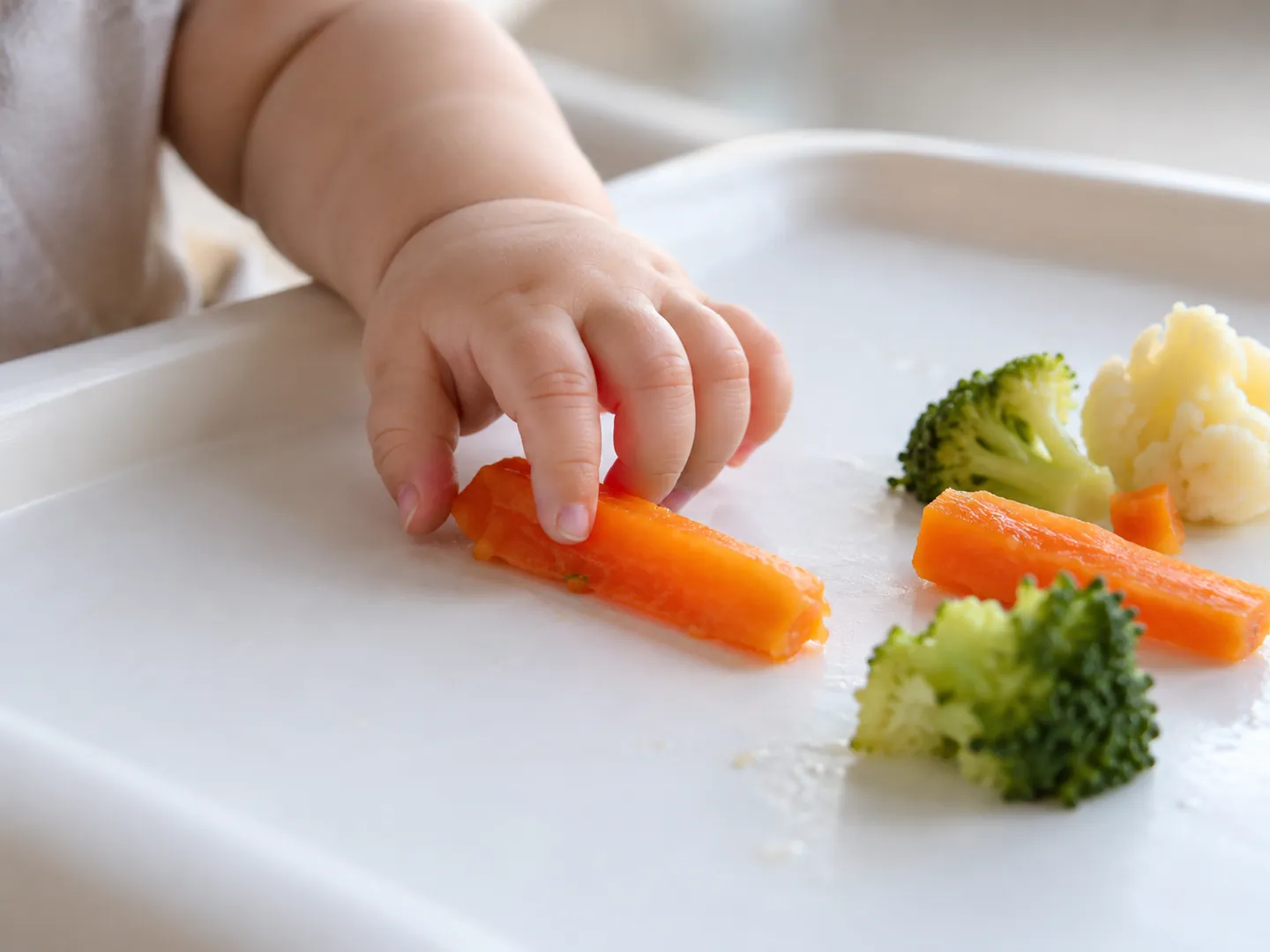
Eating is a whole new skill. Some babies take to it quickly; others take a while, and that is normal.
The best time of day is one that suits you both, when you are not rushed and your baby is not too tired.
Your baby's appetite decides how much they eat. Never force them; stop when they show they have had enough.
From around 6 months, introduce foods such as egg, peanut (crushed or ground), milk in cooking and fish one at a time, in very small amounts.
It may take 10 tries or more for a baby to get used to a new food, flavour or texture. Keep going with the ones they refuse.
GAGGING OR CHOKING?
When gagging, a baby's eyes may water, they may push their tongue forward, retch or vomit. It happens as they learn how much food they can chew and swallow at once.
Choking is quiet, and skin, lips, gums or fingernails may start to look blue. The NHS says to shout for help, take the baby out of the high chair and, supporting their chest and chin, give 5 sharp blows between the shoulder blades.
Questions
The NHS says around 6 months, when your baby can sit up holding their head steady, coordinate eyes, hands and mouth, and swallow food. If your baby was born prematurely, ask your health visitor or GP.
NHS guidance is to wait until around 6 months even if labels say a food is suitable from 4 months, and to use pouches and jars only occasionally, squeezing pouches onto a spoon.
No. The NHS says these can be introduced from around 6 months, one at a time, and that delaying peanuts and hens' eggs beyond 6 to 12 months may increase the risk of allergy to them. Talk to your GP first if your baby has eczema or a food allergy.
No. The NHS says starting solid foods will not make a baby more likely to sleep through the night. Waking more often is a normal behaviour, not a sign of readiness.
Babies under 12 months do not need snacks. If your baby seems hungry between meals, the NHS suggests offering extra milk feeds instead.
Sources
ABOUT THIS NAME
doodlesolids.com is part of the DoodleSale portfolio. It isn't in an auction right now, but you can ask about leasing it.